

Published Content | 27-12-2025
Self-created coding tutorials and popular science content from this week.


Reboot podcast ep.26: Review of 2025 (26/12/2025)
Data Science book writing
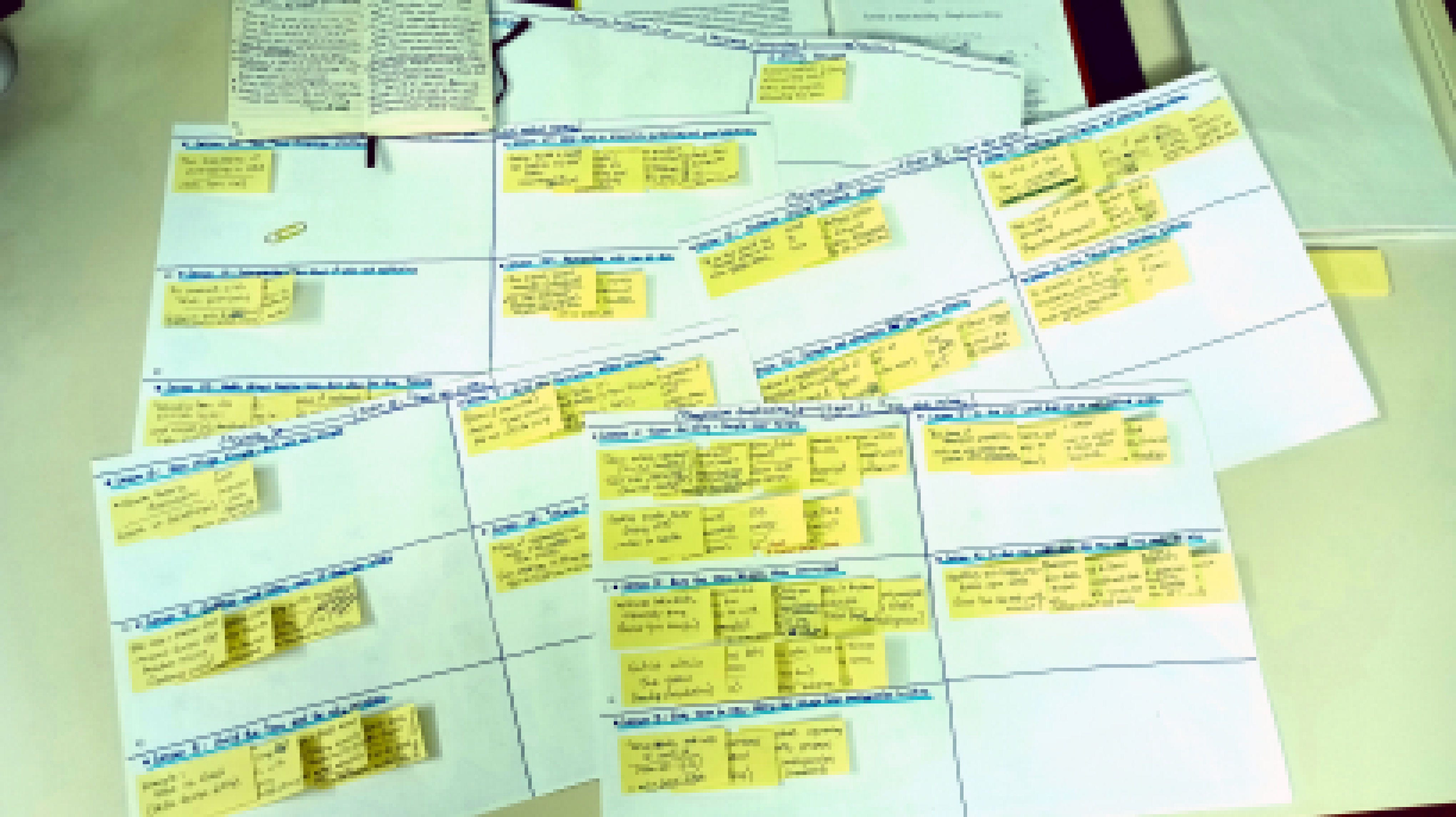
About two years ago an idea was hovering through my mind, a question actually: Why is that “traditional” project managers fail so gloriously in managing teams, especially in the Research and Development (R&D) field of work? I let it mature for a while, thinking that someone will eventually write a book or something about it. Two years have passed and no one did it, so I figured, well, I guess I will have to do that myself. After sending the proposal to only few top publishers, I was privileged enough to land a book contract with Elsevier, which was indeed my first choice for this endeavor.
The subject of the book is simple: Managing and coordinating teams in the R&D environment, specifically in the domains of Data Analytics, Machine Learning and Artificial Intelligence in general, where I have been working for more than two and a half decades as a professional. Specifically, it will focus on every aspect of teamwork from the first to the last day of a R&D project, including recruitment, roles, technical problems and solutions, managing risk, conflict resolution, iterations and feedback, expectation management, deadlines, priorities, planning for the future.
I’ve had the privilege to work with exceptional scientists, colleagues and friends and throughout these years I have identified key characteristics of efficient teamwork in challenging situations. Efficient project management is far from enough for building successful teams for R&D. There is no magic recipe for success, but there are definitely some common lessons to be learned.
The book is available for order:
“Data Science for Teams: 20 Lessons from the Fieldwork”
Paperback ISBN: 9780443364068 — eBook ISBN: 9780443364075
Week 78: Textiles modeling
Experience is often the crucial factor. The role of an AI Expert in a Data Science team can be supplemented by a PhD candidate who, as a junior researcher, works the idea and shapes the solution. Having this experience at hand, it is often rather easy to adapt the same approach from the past to a different problem and create a similar analytical procedure. In process optimization and materials technologies like in textiles, the problems tend to be much more convex than concave and, in addition, the focus is usually on the macroscopic shape that is typically much easier to understand and model..
For more details, check out:
https://apneacoding.blogspot.com/2024/07/announcement-writing-new-book-in-data.html
https://youtube.com/shorts/chWuHNegP4w